

Food Packaging Supplier Malaysia
B-PAC is proud to be a leading food packaging company Malaysia trusts, dedicated to high-quality, sustainable solutions. We design practical, eco-minded packs that fit your workflow and brand—helping you reduce waste while keeping food fresh and presentable.
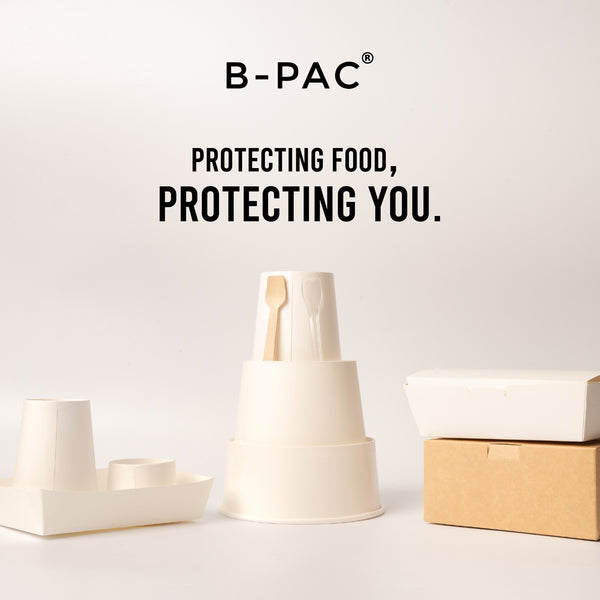

Our mission
We aim to ensure that all of our products are suitable for your foods. Covering factors of all aspects, we strive to find suitable packaging alternatives that are 100% safe, durable, and premium for the wellbeing of our customers, whilst also being aware of the ecosystem around us. Food is a basic necessity that deserves proper packaging, and by protecting food, we hope to also protect you.
As a food packaging supplier Malaysia, we prioritize food safety, sustainability, and high-quality packaging. We realize the importance of proper packing in preserving food freshness and reducing waste. We prioritize fulfilling our customer expectations while supporting innovative approaches that minimize environmental effect as dedicated disposable packaging suppliers.
B-Pac Paves The Way
Whether it’s steaming hot drinks or chilled desserts, we’ve got solutions that keep flavours intact from counter to doorstep. Our paper food packaging Malaysia range uses responsibly sourced fibres, engineered for strength, stacking, and clean branding. We’re not just a food packaging supplier Malaysia knows by name—we’re your practical partner for convenient, eco-friendly takeaway.
If you’re looking for a dependable packaging supplier Malaysia partner, talk to B-PAC. We’ll match the right sizes, linings, and closures to your menu so your food stays fresh, looks good, and arrives as it should.
Industries We Serve
Quick-Service Restaurants (QSRs)
Speciality bags and containers built for takeaway and delivery, while keeping your food secure and presentation consistent.
Food Delivery
Cups, paper boxes, and napkins designed for daily counter service, while supporting practical and consistent branding needs.
Pharmacy & Retail
Pharmacy bags, liquor bags, and retail bags designed for businesses beyond F&B, with practical packaging for everyday use.
Distribution & Warehousing
Bulk fulfilment support designed for businesses that need reliable supply, efficient distribution, and consistent stock.
Why Choose Us
Sustainable by Design
Our packaging is built around materials that break down responsibly, including bagasse and sugarcane-based containers, so you can serve food without adding to landfill waste.
Food-Safe, Every Time
Every product is designed to keep food fresh and safe from counter to doorstep, with materials suited for hot, cold, dry, and saucy foods alike.
Customizable to Your Brand
From sizing and linings to closures and branding, we tailor packaging to fit your menu and help your business stand out on every order.
Reliable Supply, No Guesswork
With warehousing and distribution support built in, your packaging supply stays consistent, so stock shortages never become your problem at any time.
The Packaging People says:
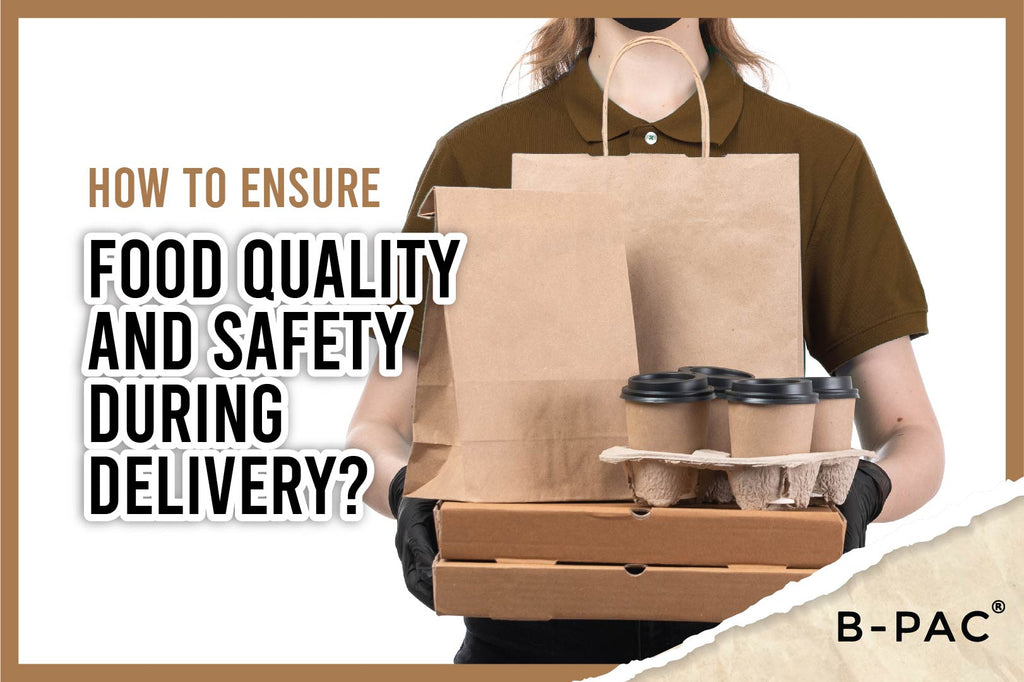

How to Ensure Food Quality And Safety During Delivery?
In recent years, the food delivery industry has experienced a tremendous surge in popularity, with an increasing number of consumers opting for the convenience of having their favourite meals...
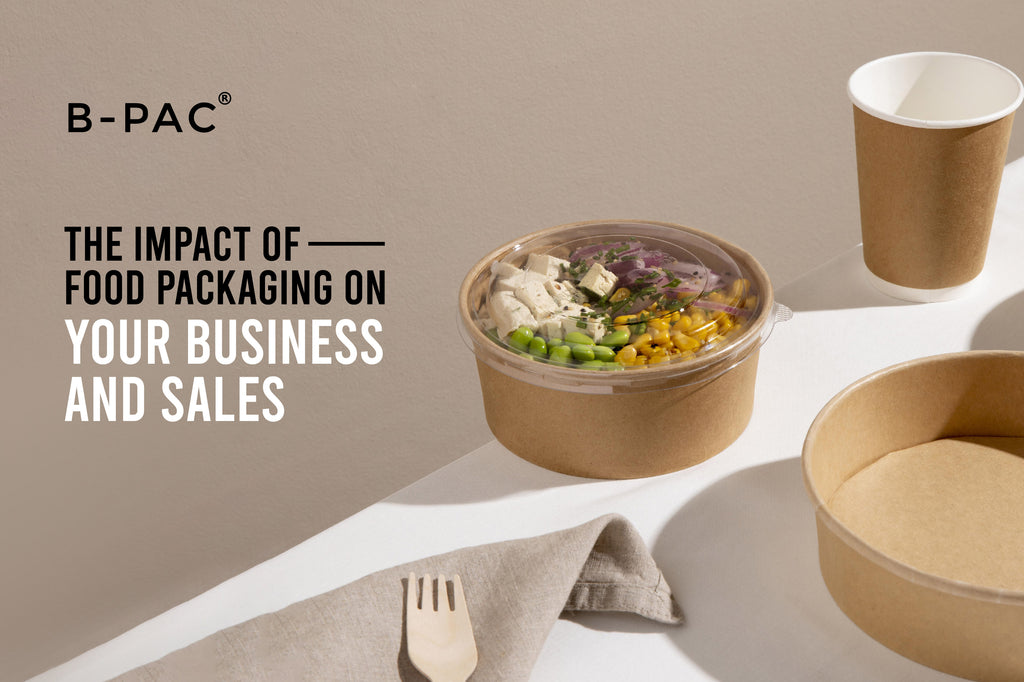

The Impact of Food Packaging on Your Business and Sales
𝗪𝗿𝗮𝗽 𝘆𝗼𝘂𝗿 𝗳𝗼𝗼𝗱 𝘄𝗲𝗹𝗹 𝗮𝗻𝗱 𝘄𝗮𝘁𝗰𝗵 𝘆𝗼𝘂𝗿 𝘀𝗮𝗹𝗲𝘀 𝘂𝗻𝘄𝗿𝗮𝗽! In today's competitive market, simply having "food quality" is no longer sufficient to drive business success and increase sales. Packaging also...
Frequently Asked Questions (FAQs)
1. What is paper food packaging?
Paper food packaging refers to packaging materials made from paper or paperboard that are designed for storing, protecting, and transporting food products. It is one of the earliest and most widely used forms of food packaging, commonly found in products such as milk and dairy items, beverages, dry powders, confectionery, bakery products, and takeaway food.
Due to its renewable material source, lightweight nature, and recyclability, paper packaging is widely used by businesses looking for more sustainable packaging solutions while maintaining food protection and convenience.
2. Is paper packaging food safe?
Yes, paper packaging can be food safe when it is made with suitable food-grade materials and meets safety requirements for direct food contact. The type and quality of paper used are important factors in ensuring food safety. For food packaging applications, virgin-grade paper is commonly preferred and approved because it provides better hygiene control compared to recycled paper, which may contain contaminants that are unsuitable for direct food contact. Proper coatings or treatments may also be applied to improve moisture resistance and durability while maintaining safety standards.
3. What are the 4 types of food packaging?
The four main types of food packaging materials are plastic, paper and paperboard, metal, and glass. Each material has different characteristics that make it suitable for specific food products and storage requirements. Paper and paperboard packaging are commonly used for dry goods, takeaway containers, and bakery products, while plastic provides flexibility and durability. Metal packaging is often used for canned foods, and glass is preferred for products that require strong barrier protection and long shelf life.
4. What is the safest paper to wrap food in?
Wax paper is one of the commonly used food-safe paper options for wrapping food. It is coated with a thin layer of wax on one or both sides, creating a smooth surface that helps prevent food from sticking while providing a moisture-resistant barrier. Wax paper is suitable for wrapping items such as baked goods, sandwiches, and snacks. However, it is important to choose food-grade wax paper that is specifically manufactured for food contact applications.
5. Is paper packaging better than plastic?
Paper packaging and plastic packaging each have their own advantages and limitations. While paper is biodegradable and generally breaks down faster than plastic, its production process can require significant resources, including water and energy. The environmental impact of packaging depends on factors such as material sourcing, production methods, recycling systems, and disposal practices. Choosing the right packaging material should consider the product requirements, food safety needs, and sustainability goals.
6. What is the difference between food packaging and food packing?
Food packaging and food packing are related but refer to different processes. Food packaging focuses on the container or material used to hold and protect the food product, such as paper boxes, containers, bags, or wraps. Food packing refers to the overall process of preparing food products for storage, handling, and transportation. This includes selecting suitable packaging materials, arranging products, sealing containers, and ensuring they are ready for distribution.
7. Why is food packaging company Malaysia so important?
Food packaging plays an important role in maintaining the safety, quality, and freshness of food products throughout their shelf life. It acts as a protective barrier against biological, chemical, and physical hazards that may affect food quality. Besides protection, food packaging also helps preserve nutrients, prevent contamination, extend product shelf life, provide important product information, and improve convenience for storage, transportation, and consumption.
8. What is food packaging?
Food packaging refers to the process of enclosing food products using materials such as pouches, bags, boxes, trays, cans, bottles, or other suitable packaging solutions. Its main purpose is to contain, protect, preserve, and communicate important information about the product. Effective food packaging helps maintain food quality, improve handling efficiency, support transportation, and provide convenience for both businesses and consumers. It is an essential part of the food supply chain, ensuring products remain safe and suitable from production to final consumption.
Our warehouse
1 Jalan Taming Jaya 12
Balakong Seri Kembangan Selangor
Mon - Fri, 830am - 6pm